Suzhou Volsun Electronics Technology Co., Ltd.

Views: 0 Author: Site Editor Publish Time: 2025-12-16 Origin: Site


Braided cable sleeves are crucial for cable management, offering protection against abrasions, heat, and chemicals. However, cutting them without fraying can be tricky. Frayed edges compromise the sleeve’s effectiveness and appearance.In this guide, we’ll cover various methods and tools to cut braided cable sleeves cleanly and effectively. You’ll learn how to maintain the integrity of both the cable and the sleeve, whether working on small DIY projects or large-scale industrial applications.
A braided cable sleeve is a flexible, expandable, and durable protective cover made by weaving synthetic fibers such as polyester, nylon, or polypropylene into a tight braid. This structure allows the sleeve to expand and contract, making it suitable for cables of various sizes. The flexibility of braided cable sleeves allows them to conform to irregular cable shapes, providing a snug fit. The sleeve is highly durable, offering excellent protection against abrasion, UV exposure, and heat. Additionally, braided cable sleeves are lightweight yet strong, ensuring that cables inside remain protected from environmental damage.
Braided cable sleeves are used across multiple industries, including automotive, aerospace, electronics, and industrial machinery. In automotive applications, they protect wiring from engine heat, abrasion, and exposure to engine fluids. In aerospace, braided cable sleeves shield cables from high temperatures and mechanical stress, ensuring the reliability of electrical systems. In industrial settings, these sleeves protect cables in machinery from harsh environments, reducing wear and tear while maintaining safety. Additionally, they are used in home electronics to organize and protect wires, reducing clutter and minimizing the risk of cable damage.
Braided cable sleeves offer several advantages that make them the preferred choice for protecting and organizing cables. One of the key benefits is their ability to provide robust mechanical protection without sacrificing flexibility. The braid design ensures that the sleeve moves with the cable, making it ideal for applications that involve frequent movement or vibrations. In addition to protecting against abrasions and mechanical wear, braided cable sleeves also provide protection against environmental factors such as moisture, UV rays, and chemicals. This makes them versatile in both indoor and outdoor applications. Their lightweight nature ensures that they add minimal bulk, while still providing maximum protection, making them ideal for space-constrained environments. Furthermore, braided cable sleeves help improve the aesthetic of cable management by reducing clutter and keeping wires neatly organized, which is particularly important in consumer electronics and professional installations.
The hot knife method is one of the most effective ways to cut braided cable sleeves without fraying. The heat from the knife melts the fibers at the cut edge, bonding them together and preventing fraying. This method is ideal for precise and clean cuts, especially when working with thicker braided cable sleeves.
Step-by-step process for using the hot knife:
| Step | Description |
|---|---|
| Prepare the hot knife | Heat the knife to the recommended temperature (typically around 450°F to 500°F). |
| Position the sleeve | Lay the braided cable sleeve flat on a heat-resistant surface. |
| Cut the sleeve | Gently cut through the sleeve with the hot knife, allowing the heat to fuse the fibers at the edges. |
| Cool the edges | Let the edges cool for a few seconds to solidify the fused fibers. |
This method provides a clean, smooth edge and is especially effective for long runs or large-scale projects.
For smaller projects or DIY applications, using scissors and a lighter is a simple and effective way to cut braided cable sleeves. While it may not offer the same precision as the hot knife method, it’s a cost-effective solution that prevents fraying.
How to use this method:
| Step | Description |
|---|---|
| Cut the sleeve | Use sharp scissors to cut the braided cable sleeve to the desired length. |
| Seal the edges | Light a lighter and carefully run the flame along the cut edges of the sleeve. The heat will melt the fibers, preventing them from fraying. |
| Let it cool | Allow the melted edges to cool and solidify. |
This method works best for short, simple projects but may not be suitable for large-scale or professional applications due to the lack of precision.
For large-scale production, an automatic cutting machine is the most efficient way to cut braided cable sleeves without fraying. These machines are designed to handle high volumes of sleeving and ensure consistent, clean cuts every time. They also come with built-in heating elements that seal the edges of the sleeve as they cut, preventing fraying and ensuring a professional finish.
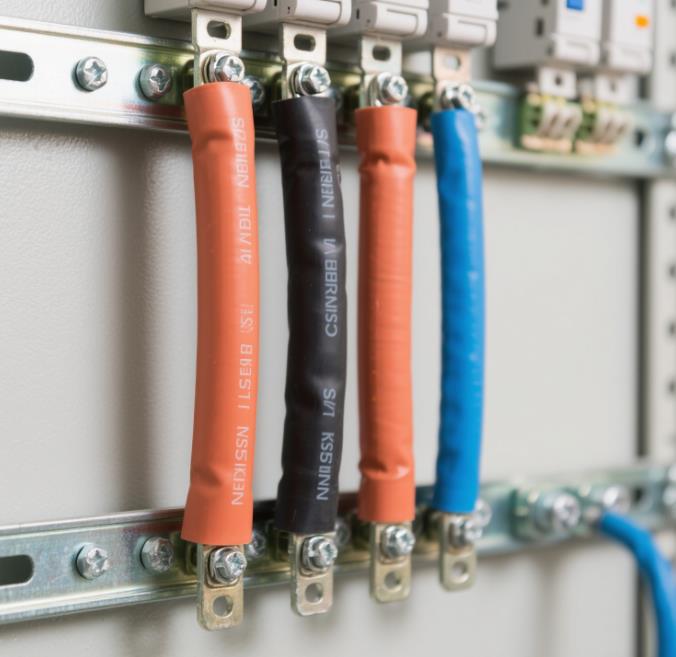
Proper preparation is crucial when cutting braided cable sleeves to ensure a clean, precise cut. Begin by measuring the required length of sleeving, ensuring you allow a little extra length for adjustments. This extra length will account for any potential miscalculations or alterations during installation. Use a fabric marker, chalk, or tape to clearly mark the cutting point, ensuring accuracy. Additionally, it’s important to make sure that the braided cable sleeve is relaxed and not under any tension or stretching. Pulling or stretching the sleeve while measuring can distort its structure, leading to uneven cuts that may cause the fibers to fray or weaken the protective qualities of the sleeve.
When cutting braided cable sleeves, the method you choose will depend on the scale of your project and the tools you have at hand. For professional projects where precision is crucial, using a hot knife ensures clean cuts by melting the fibers at the edges, preventing fraying. For smaller DIY projects, sharp scissors can be used, but it's important to apply steady pressure to ensure a clean cut. If you're working on large-scale projects, an automatic cutting machine can provide consistency and efficiency. Regardless of the cutting tool, always ensure that the sleeve is cut smoothly and evenly, applying steady pressure. Avoid jagged or rough cutting tools that can cause the fibers to shift and fray, as this can compromise the protective function of the sleeve.
Once the braided cable sleeve is cut, it's essential to secure the edges properly to prevent fraying and ensure the sleeve’s protective qualities are maintained. One of the most effective methods is heat sealing, where a lighter or heat gun is used to melt the edges slightly, preventing any fibers from unraveling. Alternatively, you can use heat shrink tubing to seal the cut ends. The tubing shrinks tightly around the sleeve when heat is applied, providing a clean, secure finish. Wrapping the ends with tape is another method that works well, especially for temporary projects, though it may not provide the same long-term durability as heat shrink tubing. Whichever method you choose, ensuring the edges are properly sealed is essential for maintaining the integrity and durability of the braided cable sleeve, preventing future damage or wear.
If you don't have access to a hot knife or heat source, using tape is a simple yet effective solution for preventing fraying after cutting braided cable sleeves. Electrical or duct tape can be used to wrap the cut edges of the sleeve, securing the fibers in place. This method works best for temporary solutions or small-scale projects where precision is less critical. By sealing the edges with tape, you prevent the fibers from unraveling, ensuring that the sleeve maintains its protective function. However, it's important to note that this method may not offer the same long-term durability as more permanent solutions like heat sealing or using a hot knife.
Cable ties are another effective method for preventing fraying in braided cable sleeves, especially for projects where the sleeve will remain stationary and won't undergo frequent handling. After cutting the sleeve, place a cable tie around the cut edge, ensuring that it holds the fibers in place. This solution is simple, cost-effective, and works well for small installations or situations where the sleeve will be protected from environmental stress. While cable ties are not as permanent as other methods, they are easy to apply and remove, making them ideal for short-term cable management or projects where the sleeve doesn't need to withstand heavy wear.
Heat shrink tubing is one of the most reliable methods to prevent fraying in braided cable sleeves. After cutting the sleeve to the desired length, slide a piece of heat shrink tubing over the cut edge. Apply heat using a heat gun to shrink the tubing, sealing the edges of the sleeve tightly. This method not only prevents fraying but also offers additional protection against environmental factors like moisture, chemicals, and abrasion. Heat shrink tubing provides a more durable, long-lasting solution compared to tape or cable ties. It’s especially useful in demanding environments where cables are exposed to harsh conditions, making it an ideal choice for automotive, aerospace, and industrial applications.
Cutting braided cable sleeves without causing fraying requires proper preparation and the right tools. Whether using a hot knife, scissors with a lighter, or an automatic cutting machine, achieving a clean cut is key. Securing the edges with heat sealing, tape, or heat shrink tubing ensures the sleeve stays protective and functional. By following these methods, you can maintain the integrity of braided cable sleeves, ensuring long-lasting protection for your cables. Suzhou Volsun Electronics Technology Co., Ltd. offers high-quality braided cable sleeves designed to provide maximum durability and protection for cables in various environments.
A: A braided cable sleeve is a protective cover made from woven fibers such as nylon or polyester. It helps organize and protect cables from abrasions, heat, and other environmental factors, ensuring cables last longer and perform better.
A: To prevent fraying when cutting braided cable sleeves, use tools like a hot knife, scissors with a lighter, or an automatic cutting machine. These tools ensure clean cuts, and you can seal the edges with heat shrink tubing or tape for extra security.
A: Yes, you can use sharp scissors for braided cable sleeves, but to avoid fraying, use a lighter to seal the edges after cutting. This method is simple and works well for small DIY projects.
A: The best tools for cutting braided cable sleeves include hot knives, sharp scissors, and automatic cutting machines. These tools ensure clean cuts without fraying, depending on the scale of the project.
A: Using heat shrink tubing after cutting braided cable sleeves seals the edges, preventing fraying and offering additional protection from environmental factors like moisture and abrasion.


