Suzhou Volsun Electronics Technology Co., Ltd.

Views: 0 Author: Site Editor Publish Time: 2025-12-22 Origin: Site


Heat shrink cable sleeves are essential for protecting and insulating cables in a wide range of applications. They provide vital protection from heat, moisture, and abrasion, enhancing the safety and performance of electrical systems. However, selecting the right heat shrink cable sleeve involves understanding how to measure and size it properly. In this guide, we’ll cover the key considerations for choosing the correct size and material for your heat shrink tubing. Whether you're working with cables in industrial settings, automotive systems, or household appliances, this guide will help you make the best decision for optimal protection.
Heat shrink tubing is a type of plastic tubing that shrinks when heated, providing a tight and secure fit around cables, wires, and connectors. It is made from materials like polyolefin or PVC, each designed for different applications and environmental conditions. When applied, heat shrink tubing reduces in diameter while increasing its strength, ensuring a snug fit. This unique characteristic helps protect cables from physical damage, moisture, and other harmful environmental factors, making it a reliable solution for cable management and insulation.
Heat resistance: Heat shrink cable sleeves are designed to withstand high temperatures, preventing heat from damaging wires or insulation. The material shrinks uniformly, ensuring maximum protection without compromising the integrity of the cable.
Chemical and environmental resistance: Most heat shrink cable sleeves are resistant to chemicals, oils, and UV rays, which makes them ideal for use in challenging environments, such as automotive or industrial machinery.
Durability and flexibility: These sleeves provide long-lasting protection while maintaining flexibility, ensuring that cables can be moved or bent without damage. Their durability ensures they stay in place, providing continuous protection even under harsh conditions.
Choosing the right heat shrink cable sleeve size begins with accurately measuring the cable’s diameter. The sleeve must fit snugly over the cable but not too tightly. For irregularly shaped cables, it’s important to measure the largest diameter to ensure proper coverage. Use a caliper or tape measure for precision, and remember that heat shrink tubing must accommodate any insulation or connectors attached to the wire.
The shrink ratio of heat shrink cable sleeves refers to how much the tubing will shrink when heated. Common ratios are 2:1, 3:1, or even 4:1. For instance, a 2:1 shrink ratio means the sleeve will shrink to half of its original size. Choosing the right shrink ratio depends on the size of your cable and whether you need a tight fit. Larger cables require a larger shrink ratio, while smaller applications can use a 2:1 ratio.
Wall thickness plays a critical role in how much protection a heat shrink cable sleeve will offer. Thicker walls provide more insulation and physical protection but can limit flexibility. Consider the operational environment—whether the sleeve will be exposed to high temperatures or physical stress—and choose a thickness that ensures the cable remains safe while still allowing for adequate movement.
When selecting a heat shrink cable sleeve, it is essential to consider how the material will behave during and after shrinkage. Some materials may expand slightly when heated, while others may contract more than expected. Ensure that the sleeve has enough tolerance for expansion and contraction to accommodate the cable properly.
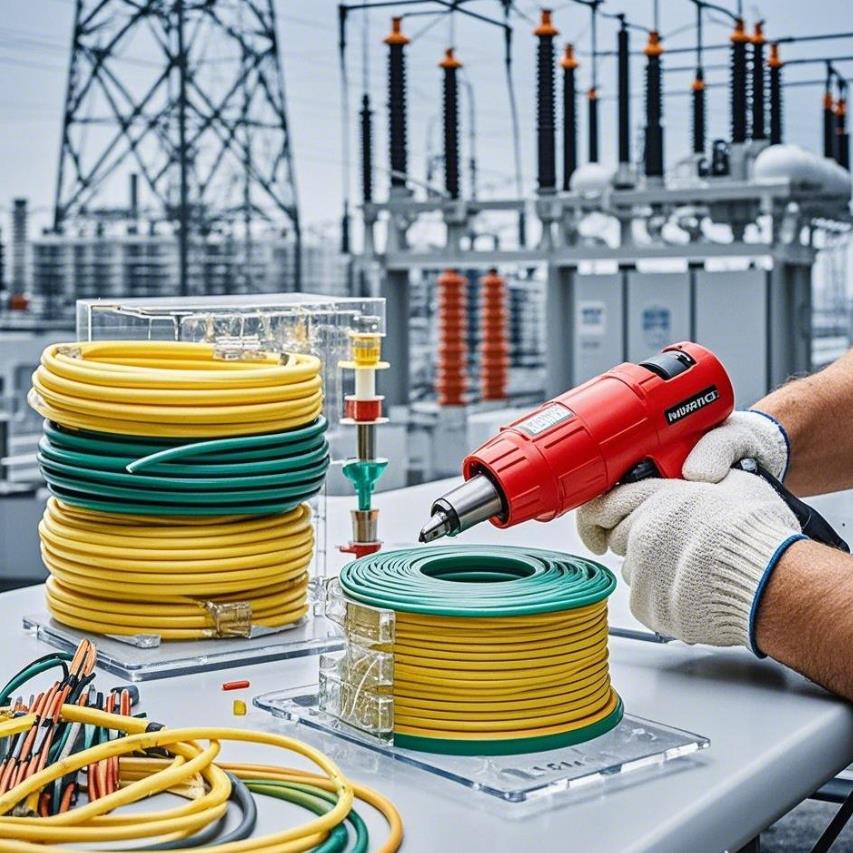
Polyolefin is the most common material used for heat shrink cable sleeves, offering excellent flexibility, chemical resistance, and heat resistance. It is used in a variety of applications, including electrical wiring, automotive, and aerospace. Polyolefin provides a tight, uniform shrinkage, ensuring a secure fit and reliable protection for most general applications.
PVC heat shrink cable sleeves are more rigid than polyolefin but offer great chemical and abrasion resistance. They are cost-effective and are typically used in applications where the tubing will not be exposed to extreme temperatures. PVC is ideal for insulating electrical connections in low-temperature environments or for cable bundling in indoor settings.
For extreme conditions such as high temperatures or exposure to aggressive chemicals, fluoropolymer-based heat shrink cable sleeves are the preferred choice. These specialty materials provide excellent performance in critical environments, ensuring the cables remain protected even under challenging conditions. Fluoropolymers and other specialty materials offer superior chemical resistance, making them ideal for use in the oil and gas industry, aerospace, and other highly regulated sectors.
Accurate measurement is the first step to selecting the right heat shrink cable sleeve. Use a tape measure or caliper to determine the cable diameter, and take note of the largest diameter, especially if the cable includes connectors. Allow for a little extra space to ensure the sleeve fits comfortably but tightly over the cable.
Shrinkage is an important factor when selecting heat shrink cable sleeves. When heated, the tubing will contract, so understanding how much shrinkage is expected is essential. Different materials shrink at different rates, so it’s important to check the manufacturer’s data to determine the correct shrink ratio for your application.
Environmental conditions can impact the size of heat shrink cable sleeves. Factors like extreme temperatures, moisture, or exposure to chemicals must be considered when sizing the tubing. For example, if the cables are going to be exposed to direct sunlight or corrosive materials, a thicker or more durable sleeve may be necessary.
Before applying the heat shrink cable sleeve, it’s essential to ensure the cable is prepared properly. First, strip the cable to the correct length, ensuring no insulation or other materials are exposed. This is important for the sleeve to fit snugly and provide proper protection. Clean the cable thoroughly to remove any oils, dirt, or debris that might prevent the heat shrink cable sleeve from adhering properly. Even small amounts of dirt can affect the adhesion, leading to poor performance. Make sure the cable is dry and free of contaminants before proceeding.
To install the heat shrink cable sleeve, apply heat evenly using a heat gun or another appropriate heat source. Move the heat source back and forth to ensure the sleeve shrinks evenly over the cable, avoiding direct or concentrated heat in one area to prevent damage. It’s important to be cautious not to overheat the tubing, as excessive heat can cause it to melt or shrink too much, leading to gaps in coverage and potential damage to the cable or sleeve. Ensure that the sleeve contracts uniformly to provide complete coverage and protection.
Once the heat shrink cable sleeve has fully shrunk, it’s essential to inspect the installation for any issues. Check for even shrinkage across the entire sleeve, ensuring that there are no gaps or wrinkles in the material. Make sure the sleeve fits snugly around the cable, with secure adhesion and no loose areas. The ends of the sleeve should be sealed properly to prevent moisture, dirt, or contaminants from entering. A proper seal ensures long-lasting protection, preventing the sleeve from peeling back and offering optimal protection to the cable.
| Common Mistakes | Description |
|---|---|
| Choosing the Wrong Shrink Ratio | Selecting the wrong shrink ratio can result in a poorly fitting heat shrink cable sleeve. A too-large ratio may not shrink enough, while a too-small ratio can make it tight. |
| Overestimating or Underestimating Cable Diameter | Incorrect cable diameter measurements can cause the sleeve to be either too tight or too loose, compromising insulation and protection. |
| Improper Heat Application | Using too much heat can cause brittleness or excessive shrinking, while too little heat won't shrink the sleeve adequately. Proper heat application is essential for the best results. |
Selecting the correct heat shrink cable sleeve size and material is crucial for ensuring optimal protection. Accurate measurement, choosing the right shrink ratio, and understanding material properties are essential factors. With proper tools and installation, heat shrink cable sleeves provide lasting protection. Suzhou Volsun Electronics Technology Co., Ltd.offers high-quality solutions for cable protection, ensuring safety and durability in diverse applications.
A: A heat shrink cable sleeve is a protective tubing that shrinks when heated, providing insulation and protection for cables against heat, moisture, and abrasion.
A: Measure the cable diameter to ensure a snug fit. Choose a heat shrink cable sleeve with the right shrink ratio, considering the cable's size and environmental conditions.
A: The shrink ratio ensures that the heat shrink cable sleeve fits snugly around the cable. A correct ratio prevents gaps and ensures proper protection.
A: Yes, heat shrink cable sleeves are ideal for automotive applications, providing protection against heat, abrasion, and chemical exposure in vehicle wiring systems.
A: Use a heat gun to evenly apply heat along the heat shrink cable sleeve, ensuring uniform shrinkage. Avoid overheating to prevent damage to the sleeve or cable.
A: When choosing heat shrink cable sleeves, consider the cable diameter, shrink ratio, wall thickness, and environmental factors like temperature and moisture.


