Suzhou Volsun Electronics Technology Co., Ltd.


In today's interconnected world, managing and protecting cables is essential in homes, offices, and industrial environments. Cable sleeves are vital tools for organizing, insulating, and safeguarding cables, offering protection against environmental hazards and wear.In this guide, we’ll explore the various types of cable sleeves, their benefits, and how to choose the right one for your needs.
Cable sleeving is a protective cover designed to shield electrical cables from various environmental hazards. It plays a crucial role in organizing cables, preventing tangling, and enhancing cable management. Additionally, it provides insulation, helping to protect cables from heat, moisture, chemicals, and abrasion. Unlike heat shrink tubing, which requires heat to fit, cable sleeves are flexible and easy to install without any heat application. This feature makes them a more versatile and convenient option, suitable for a wide range of applications, from household setups to industrial environments where cable protection and organization are essential.
Heat Shrink Tubing: Heat shrink tubing provides a tight fit around cables when exposed to heat. It is commonly used for creating moisture-resistant seals, ensuring electrical insulation, and preventing cable exposure to harsh environmental conditions. However, it requires heat to install, which may not always be feasible.
Cable Sleeving: Unlike heat shrink tubing, cable sleeves are more flexible and easier to install. They provide excellent protection against abrasion, cuts, and friction, making them ideal for dynamic environments where cables experience frequent movement. Cable sleeves come in a variety of materials, including braided fibers and PVC, to suit different needs and environmental conditions.
Application | Description |
Domestic Use | In residential settings, cable sleeves protect cables from wear and tear, especially in areas prone to friction (e.g., behind furniture or floorboards). They also shield cables from moisture and environmental factors that could degrade their performance. |
Industrial Use | In factories and warehouses, cable sleeves safeguard cables from heavy mechanical stress, temperature fluctuations, and exposure to chemicals or abrasive materials, ensuring the safety and reliability of electrical systems in harsh conditions. |
Automotive and Marine | Cable sleeves are used in automotive and marine settings to protect wiring from engine fluids, extreme temperatures, and physical damage, ensuring the safe and reliable operation of electrical systems in high-stress and high-temperature areas. |
Braided cable sleeving, made from materials like nylon, polyester, or PET, offers excellent abrasion and heat resistance. It is ideal for environments with frequent movement or high temperatures, commonly used in automotive, industrial, and marine settings to protect cables from mechanical stress and environmental challenges.
Heat shrink tubing works by shrinking when exposed to heat, tightly conforming to the shape of the cable. This unique property makes it highly effective for insulation, moisture protection, and securing cables in place. It creates a snug, moisture-resistant seal, ensuring that cables are well-insulated and protected from environmental elements. Heat shrink tubing is commonly used for electrical repairs, providing insulation for cables and securing connectors, especially in tight spaces where other protection methods may be difficult to apply. Its ability to form a secure, tight fit makes it invaluable in environments that require durable, long-lasting cable protection.
Spiral wrap sleeving is a highly flexible and expandable solution for bundling multiple cables together. Its easy installation process and spiral design allow for quick adjustments and flexibility, making it an ideal choice for environments that require frequent changes or reconfigurations of cables. This type of sleeving is particularly useful in organizing cables in home entertainment systems, offices, and workstations, where cables need to be frequently accessed or rearranged. Its versatility and cost-effectiveness make it an excellent option for maintaining an organized, clutter-free space while ensuring cables remain protected from damage.
PVC cable sleeving is durable, flexible, and resistant to chemicals and moisture, making it perfect for light industrial, office, and home environments. It provides protection and a clean, professional appearance, often used for aesthetic purposes in cable management.
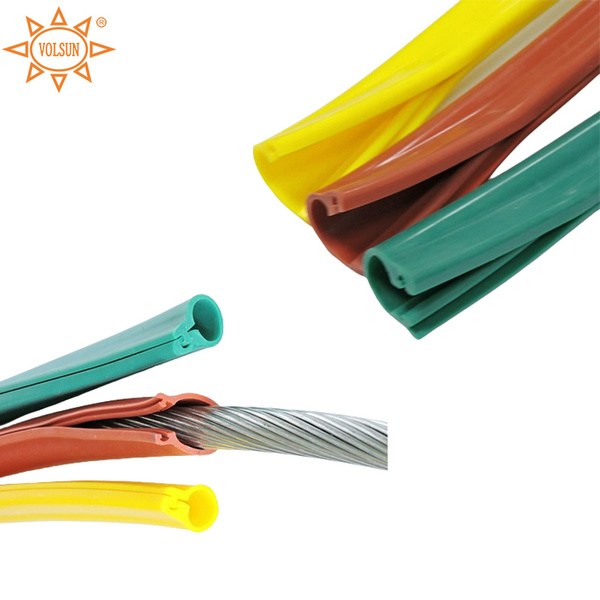
Cable sleeves play a crucial role in keeping cables organized, which helps reduce the risk of tangling and physical damage. By grouping cables together, cable sleeves make it easier to identify and manage cables, improving both efficiency and safety in workplaces and homes. This organized setup ensures that cables are easy to trace, preventing confusion and reducing downtime during maintenance or repairs. To enhance identification and management, using color-coded cable sleeves can be particularly effective. Different colors help distinguish between cables based on their function or location, making it much easier to identify which cable belongs where at a glance.
One of the main benefits of using cable sleeves is their ability to protect cables from abrasion and physical damage. Whether using braided or PVC sleeves, they act as shields against cuts, tears, and friction. This protection ensures that cables remain intact and perform efficiently for longer periods. As cables are often subjected to environmental stresses or mechanical wear, cable sleeves significantly extend their lifespan by providing a durable protective layer.
Certain types of cable sleeves offer excellent heat dissipation, preventing cables from overheating. This is especially important in environments with heavy machinery or electrical equipment, where excess heat can lead to malfunction or even fire hazards. For high-temperature environments, heat-resistant cable sleeves made from materials such as fiberglass or silicone provide robust protection against thermal damage, ensuring cables continue to operate safely without the risk of damage from heat exposure.
In addition to their protective function, cable sleeves contribute to cleaner and more professional-looking installations. They help reduce cable clutter and create a neat, organized workspace, which is not only visually appealing but also more efficient. For a tidy setup, transparent or neutral-colored cable sleeves allow for easy identification of individual cables, ensuring that cables can be distinguished without sacrificing the clean appearance of the installation. This approach is particularly valuable in areas where organization and aesthetics are important, such as home entertainment systems, office spaces, and industrial environments.
When selecting cable sleeves, it is essential to measure the diameter of your cables and bundles accurately. A snug fit ensures optimal protection, but you should also leave room for expansion if necessary. For a flexible fit, choose cable sleeves that are slightly larger than the cable diameter, allowing them to accommodate any future changes in cable size or configuration.
Different types of cable sleeves provide varying levels of protection against temperature, moisture, and chemicals. It's important to consider the environment where the cables will be used. If you are working in extreme conditions, such as high heat, chemical exposure, or outdoor environments, select heat-resistant, chemical-resistant, or UV-resistant cable sleeves for maximum protection.
In applications where cables need to move or bend, flexibility is key. Expandable cable sleeves are ideal for systems that require frequent changes or when the cable sizes vary. For instance, braided expandable cable sleeves are excellent for applications where cables need to be frequently reconfigured or where varying cable sizes are common.
Ensure the cable sleeves you choose offer the necessary resistance to abrasion, UV radiation, chemicals, and heat. Selecting durable materials will protect your cables over time, especially in demanding industrial or outdoor environments. Choose sleeves with high durability to withstand the wear and tear of harsh conditions.
Some types of cable sleeves, like spiral wraps, are easier to install and require less effort for ongoing maintenance. When selecting a sleeve, consider how much time you can dedicate to installation and whether the sleeve will require regular upkeep. Sleeves that are easy to install and maintain can save time and effort in the long run.
Installing cable sleeves is a straightforward process that ensures your cables are properly protected and organized. Start by preparing the cable: clean and measure the cables to ensure the sleeve will fit correctly. Then, slide the sleeving gently over the cables, making sure it fits snugly for optimal protection. Next, secure the ends with cable ties or heat shrink tubing to keep the sleeve in place. Finally, inspect the installation to ensure the sleeve is properly installed and free from any damage.
To extend the life of your cable sleeves, regular maintenance is essential. Inspect regularly by checking for signs of wear, damage, or loose fittings. Look for any areas that may be compromised and need attention. Clean as needed by using mild soap and water for most cable sleeves. Ensure they are completely dry before reusing to avoid moisture build-up, which could damage the cables. Replace when necessary—if a sleeve becomes worn out or damaged, it’s important to replace it promptly to ensure continued protection for your cables.
Choosing the right cable sleeves is crucial for protecting cables and ensuring long-lasting performance. Whether you're seeking heat resistance, abrasion protection, or aesthetic organization, there’s a cable sleeve that meets your needs. This guide helps you confidently select, install, and maintain the ideal cable sleeves for any application.Suzhou Volsun Electronics Technology Co., Ltd. provides high-quality cable sleeves that deliver exceptional durability and reliability for diverse applications. With their advanced products, Suzhou Volsun Electronics Technology Co., Ltd. ensures long-lasting cable protection for both residential and industrial environments.
A: Cable sleeves are used to organize, insulate, and protect cables from damage caused by abrasion, moisture, heat, and chemicals. They help maintain cable safety and improve overall organization.
A: When selecting cable sleeves, consider factors such as cable size, environmental conditions, and the level of flexibility needed. Choose a sleeve that offers protection from heat, chemicals, and abrasion based on your specific needs.
A: Yes, certain cable sleeves are designed to withstand outdoor conditions. Look for UV-resistant and weatherproof sleeves to ensure protection from environmental elements like sun exposure and moisture.
A: Some cable sleeves, especially those made from materials like fiberglass or silicone, offer excellent heat resistance. These are ideal for high-temperature environments where cables are exposed to heat or flames.
A: To install cable sleeves, simply slide them over the cables, ensuring a snug fit. Secure the ends with cable ties or heat shrink tubing, and inspect the installation for proper placement.


