Suzhou Volsun Electronics Technology Co., Ltd.

Views: 0 Author: Site Editor Publish Time: 2025-12-05 Origin: Site


Main benefits of silicone tape include:
Fast fusing time
High tensile strength
No leaks reported
Easy application
Effective for various repair needs
Self fusing silicone tape makes a strong, waterproof seal. It does not need glue. It sticks to itself by joining together.
The tape works in very hot or cold places. It can handle temperatures from -65°F to 500°F. This makes it good for many different places.
Using silicone tape is easy. You wrap it tightly around the broken spot. Make sure to overlap the layers to make it stronger.
This tape can be used in many ways. You can use it for quick repairs. It helps with electrical insulation and plumbing problems.
Self fusing silicone tape is tough and bends easily. It helps repairs last a long time. It does not leave a sticky mess.
When you use self fusing silicone repair tape, you make a strong seal. You wrap the tape tightly around the spot you want to fix. The real change happens inside the tape. When you stretch the tape and put layers on top of each other, the tape gets thinner. This helps the molecules in the tape mix together fast. The layers join and make a solid bond. You do not see any spaces or bubbles. This process is called amalgamation. It gives you a smooth and gap-free seal. The seal keeps out water, air, and electricity.
Scientists test how strong this chemical bond is. They use special tests to check the power of self fusing silicone repair tape. Here is a table that shows some of these tests:
Test Type | Description |
|---|---|
Shear Strength | Tested by sticking tape to steel and pulling until it comes off. |
Peel Adhesion | Tested by peeling tape off a plate and measuring the force needed. |
Tack | Tested by dropping tape on a plate and seeing how much force it takes to pull it off. |
You can trust self fusing silicone repair tape in tough places. The tape makes a waterproof seal after one day. This means your fix will last a long time.
You may wonder how self fusing silicone repair tape works with no glue. The answer is easy. Silicone tape does not use glue at all. It sticks to itself when you wrap it tight. This makes a strong, waterproof seal with no sticky mess. Here are some main differences between self fusing silicone repair tape and regular sticky tapes:
Silicone tape does not use glue.
It sticks to itself when you wrap it tight.
You get a smooth, waterproof seal.
Regular tapes use glue to stick to things.
Self fusing silicone repair tape is not sticky and can stretch. You make a waterproof seal by stretching and wrapping the tape. Regular tapes use glue to stick, but silicone tape uses its own material to join together.
You can see the main differences between self fusing silicone repair tape and sticky tapes in this table:
Feature | Self-Fusing Silicone Tape | Adhesive-Based Tapes |
|---|---|---|
Bonding Method | Sticks to itself | Uses glue |
Seal Type | Waterproof and airtight | May leave sticky stuff |
Temperature Resistance | -65°F to 500°F | Often lower than silicone tape |
Chemical Resistance | High, good for tough places | Often less resistant |
Surface Damage | No harm to surfaces | Can hurt surfaces because of glue |
Durability | Lasts long, stands up to weather | May break down over time |
Tip: Stretch and wrap self fusing silicone repair tape tight for best results. You may need to practice, but you will get a strong seal that lasts.
Self fusing silicone repair tape helps you fix leaks, cover wires, and protect things. You do not have to worry about sticky messes or damage. You get a clean, strong, and bendy seal every time you use silicone tape. Many people pick self-fusing tape for repairs because it works where regular tapes do not.
You want a repair that keeps water and air out. Silicone tape gives you that protection. When you wrap silicone tape around a pipe or wire, you create an airtight and waterproof seal in seconds. The tape fuses to itself and blocks leaks right away. Many people use silicone tape because it forms a permanent waterproof seal quickly. You do not need glue or extra tools. The tape works well even if the surface is wet or dirty. You can trust silicone tape to keep water and air from getting through.
Creates an airtight, waterproof seal in seconds
Designed to create a permanent airtight and watertight seal quickly
Longevity can vary based on environmental factors and application methods
Silicone tape stands up to heat and chemicals. You can use it in places where temperatures get very high or very low. The tape works from -65°F up to 500°F. You do not have to worry about melting or cracking. If you need to fix something near a hot engine or in freezing weather, silicone tape will hold strong. The tape also resists chemicals like oil, fuel, and cleaning agents. You can use silicone tape in garages, kitchens, and outdoors without problems.
Key Properties of Silicone Tape | Details |
|---|---|
Temperature Range | -65°F to 500°F |
Chemical Resistance | Resists oils, fuels, cleaners |
Water Resistance | Blocks leaks instantly |
You need a repair that lasts. Silicone tape stays strong for years. The tape does not break down in sunlight, rain, or snow. You can stretch silicone tape to fit around odd shapes and tight spaces. The tape bends without tearing. You can use it on hoses, wires, and pipes. Silicone tape keeps its grip even when things move or shake. You do not have to replace it often. The tape gives you a flexible and tough fix every time.
Tip: Stretch silicone tape as you wrap it. This helps the tape fuse and makes your repair even stronger.
Silicone tape stands out because of its key properties. You get a seal that blocks water and air, resists heat and chemicals, and stays flexible. These features make silicone tape ideal for repairs at home, in cars, and outdoors.
You can solve many quick fix problems with self fusing silicone tape. If you want to know how to use silicone tape for a strong repair, follow these steps:
Prepare the surface. Clean the area you want to repair. Make sure it is dry and free from dust, grease, or old adhesive. This helps the tape bond well.
Start wrapping from the roll. Do not cut the tape before you begin. Place the tape at least 2–3 inches before the damaged spot. Stretch the tape as you wrap it around the area. Overlap each layer by at least half the width of the tape.
Add more layers for strength. For a lasting fix, wrap 2–3 tight layers. Extend the tape 2–3 inches past the damaged area. Do not cut between layers.
Secure the end and smooth it out. Press the last layer firmly onto the tape. Smooth out any air gaps. Let the tape set for several hours to reach full strength.
You can use this method to repair leaks in hoses, pipes, or cables. The tape creates a strong seal that blocks water and air. Many people use this tape for quick fix problems at home, in cars, or outdoors.
You want your repair to last. Here are some tips to help you get the best results:
Always stretch the tape as you wrap it. This activates the self-fusing property and makes the fix stronger.
Overlap the tape on itself at the ends. Press down firmly to secure the bond.
For high-pressure repairs, use three or more layers. This gives extra strength, especially for things like radiator hoses.
Avoid touching the sticky side too much. This keeps the tape clean and helps it fuse better.
Let the tape set for a few hours before using the repaired item. This gives the seal time to become strong.
Tip: If you want a neat finish, use masking tape to mark straight lines before you start. Remove the masking tape after you finish wrapping.
You can avoid common mistakes by cleaning the surface and using the right type of tape for your repair. Do not rush the process. Take your time to wrap and press the tape well. This way, your fix will last longer and handle tough conditions. Self fusing silicone tape gives you a reliable way to fix leaks and other quick fix problems without sticky messes or extra tools.
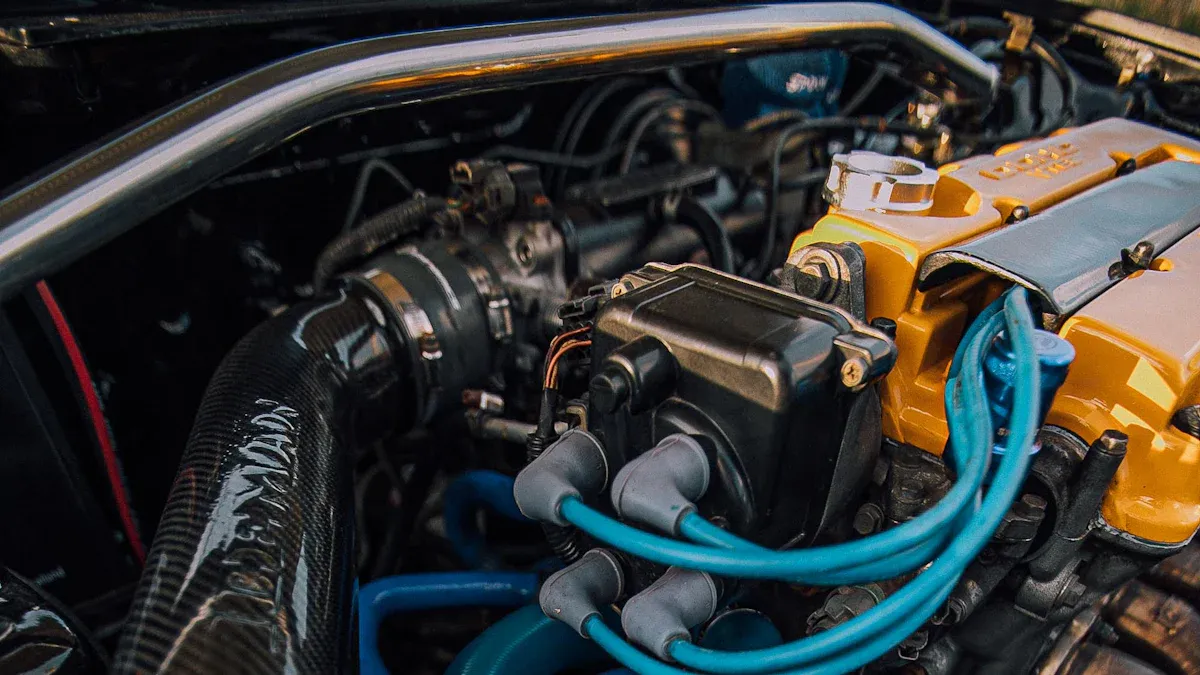
Self fusing silicone repair tape helps with quick fixes. People use it when something breaks and needs fast repair. If a radiator hose bursts, you can wrap the tape around it. You can fix a broken fan belt or a leaking pipe under the sink. The tape also seals leaks on vacuum hoses and patches garden hoses. It works for weatherproofing electrical connections and protecting battery terminals. You can wrap tool handles or fix boat rigging with it. The tape helps stop corrosion and covers frayed lines.
Fix a radiator hose in emergencies
Repair fan belts off-road
Make emergency O-rings and seals
Insulate battery terminals
Stop leaks under the kitchen sink
Patch garden hoses and pipes
Seal leaks on vacuum hoses
Weatherproof electrical connections
This tape gives a better seal than regular tapes. You can use it on hydraulic hoses during emergencies. It helps stop leaks until you can fix them for good.
Self fusing silicone repair tape is good for electrical repairs. You can use it at home or outside. The tape insulates wires because it has high dielectric strength. You can wrap it around wires or cables to keep them safe. The tape can handle up to 600 volts. Its dielectric strength is at least 20kv/mm.
Product | Dielectric Strength | Voltage Rating |
|---|---|---|
Self Fusing Silicone Repair Tape | ≥20kv/mm | Up To 600V |
The tape resists heat and stays flexible. It works up to 260°C and down to -65°C. You can trust it for tough electrical repairs.
Self fusing silicone repair tape is useful for plumbing and outdoor fixes. The tape seals leaky pipes and makes a waterproof bond. You can wrap it around pipe leaks for a strong temporary seal. The tape works for outdoor sprinkler repair and patching hoses. It stands up to rain, sun, and temperature changes. You can use it in hot or cold weather. The tape keeps its grip even in harsh outdoor places.
Tip: Keep a roll of self fusing silicone repair tape in your toolbox. You might need it for a quick fix.
Self fusing silicone repair tape is great for emergencies, electrical work, and plumbing. It helps you fix problems fast and gives a reliable seal.
You can trust self fusing silicone tape for many repairs. The tape bonds to itself, so there is no sticky mess. You can use it for plumbing, fixing wires, or quick fixes. The tape does not break down in heat or water. This helps your repairs last longer. People say it works well on gentle surfaces and tough leaks. Here are some ways it helps with repairs:
Feature/Application | Description |
|---|---|
No Adhesive | No sticky mess, safe for delicate repair jobs |
Waterproof Properties | Strong seal for plumbing repair, blocks water pressure |
Heat Resistance | Handles high heat during repair, up to 500°F |
Safe for wire repair and terminal insulation | |
Versatility | Works for hose repair, bundling, and waterproofing |
You get a fix you can count on every time. Try silicone tape for your next repair and see how well it works.
You see the tape start to bond within seconds. For a strong seal, let it set for a few hours. Full strength usually happens after 24 hours.
You can cut the tape off with scissors or a knife. The tape does not leave sticky residue because it has no adhesive.
Yes, you can use it for electrical insulation. The tape resists high voltage and heat. Always check the product rating before you wrap wires.
Yes, you can apply the tape to wet surfaces.
The tape forms a waterproof seal even underwater.
You do not need to dry the area first.


