Suzhou Volsun Electronics Technology Co., Ltd.

Views: 0 Author: Site Editor Publish Time: 2026-01-30 Origin: Site


Removing silicone potting compound can be tricky and requires care. This material is used to protect electronic components, but sometimes it needs to be removed for repairs or upgrades. In this article, you will learn the best methods for removing silicone potting compound without damaging your devices. We'll discuss various techniques and safety precautions to ensure the job is done correctly.
Silicone potting compound is a two-component thermosetting material used to protect electronic components by encapsulating them in a flexible, durable layer. When mixed and cured, this compound forms an insulating and protective barrier around sensitive electronics, shielding them from environmental stressors. Its primary purpose is to enhance the reliability and longevity of electronic devices by offering protection against moisture, dust, extreme temperatures, and mechanical stress.
This compound is particularly valuable in devices that need to endure harsh conditions, such as automotive or industrial electronics. Its ability to fill intricate spaces within assemblies allows for mechanical support and thermal management, making it an essential material for maintaining the functionality and durability of electronic components.
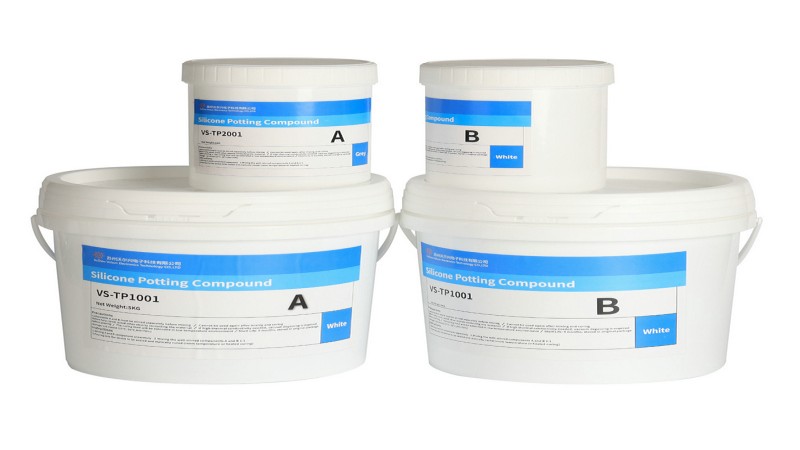
Silicone potting compounds are widely used in electronics due to the following key benefits:
Benefit | Description |
Environmental Protection | Shields electronics from moisture, dust, and contaminants, preventing corrosion and short circuits. |
Thermal Management | Helps dissipate heat, preventing overheating and maintaining performance in high-heat environments. |
Vibration and Shock Absorption | Absorbs mechanical stress, making it ideal for electronics subject to constant vibrations or shocks. |
Electrical Insulation | Provides superior electrical insulation, preventing electrical shorts or arcing. |
Temperature Tolerance | Withstands a wide range of temperatures (-40°C to 200°C), suitable for both cold and hot conditions. |
Silicone potting compounds are utilized in various electronic devices that require robust protection. Below are common applications:
Application | Description |
Automotive Electronics | Protects sensors, control modules, and wiring from heat, moisture, and vibrations in vehicles. |
Aerospace and Military Equipment | Ensures the reliability of components in avionics, navigation systems, and defense technology by shielding them from environmental stress. |
Consumer Electronics | Used in LED lights, power supplies, and home appliances to protect against moisture and dust, increasing device lifespan. |
Renewable Energy Systems | Protects junction boxes, inverters, and other electrical components in solar and wind energy systems, ensuring long-term reliability and efficiency. |
Silicone potting compound is valued for its durability and resistance to environmental stressors, such as moisture, dust, and temperature changes. However, these very qualities make it difficult to remove once it has cured. Unlike other materials, silicone remains flexible and has a relatively low adhesive strength. Despite this, its chemical stability and elasticity present unique challenges during removal.
Key challenges:
● Physical Resistance: Silicone resists common solvents, making it difficult to dissolve or soften with standard cleaning agents.
● Flexibility: When force is applied, silicone stretches or deforms, making it harder to break apart cleanly.
● Durability: Once cured, silicone becomes firm, making mechanical methods less effective and potentially damaging to underlying components.
Removing silicone potting compound can pose several risks to the electronics it is meant to protect. Improper removal techniques can lead to physical damage, overheating, and chemical exposure.
Common risks:
● Physical Damage: Scraping or cutting silicone can damage fragile components like circuit boards and capacitors.
● Thermal Damage: Excessive heat can melt or warp plastic components and cause solder joints to fail.
● Chemical Damage: Solvents can weaken or corrode surrounding materials, such as plastic casings and wiring, if used incorrectly.
Improper techniques can cause significant harm to the electronics, potentially rendering them unusable. For example, mechanical methods that apply too much force can break connections, crack components, or damage the circuit board. Thermal methods that lack temperature control can lead to overheating, which may melt plastic or destroy internal connections.
Additionally, deviating from the manufacturer’s recommended procedures may void the warranty on the device. Many manufacturers specify the types of methods that can be used to remove potting compounds. Using unapproved techniques could result in warranty loss, making it important to follow proper guidelines.
Mechanical removal is one of the most common methods used to remove silicone potting compound due to its simplicity and directness. This process involves physically scraping or cutting the silicone away from the electronic components. It’s particularly effective when dealing with large amounts of compound that can be removed without excessive heat or solvents.
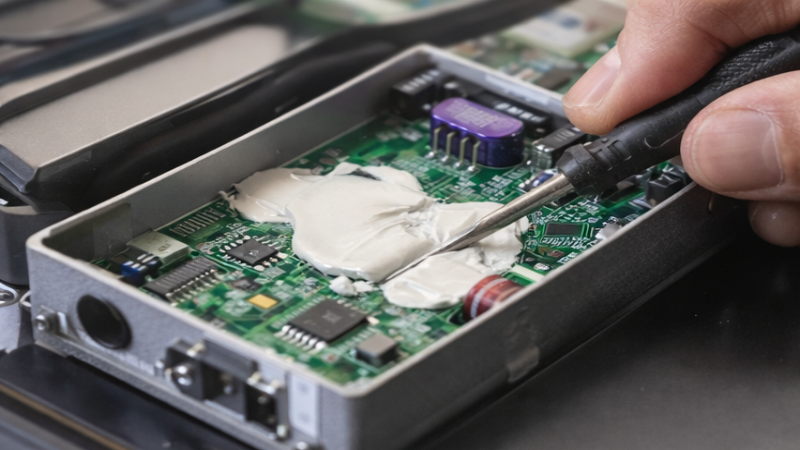
● Utility knives: Ideal for cutting through the compound in manageable sections.
● Scrapers: Used to lift and pry the silicone from the surface.
● Precision tools: Small chisels or dental picks can be useful for delicate work around small components.
1. Examine the device: Identify areas where the silicone has been applied and determine the best access points for removal.
2. Score the silicone: Use a utility knife to carefully cut around the edges of the silicone compound. Make shallow cuts to avoid damaging the underlying components.
3. Scrape the compound: Once the edges are cut, use a scraper to gently pry off the silicone in small sections. Work slowly to avoid excessive pressure.
4. Use precision tools for tight spaces: If the silicone compound is in hard-to-reach areas, use dental picks or small chisels to gently remove the material without damaging nearby components.
● Benefits: Mechanical removal is effective for larger, more accessible areas and provides direct control over the process, minimizing the risk of chemical exposure.
● Limitations: This method can be time-consuming, especially for intricate components. It also carries the risk of damaging sensitive parts, such as circuit boards or connectors, if not performed carefully.
Thermal methods involve using controlled heat to soften the silicone potting compound, making it easier to remove mechanically. This technique is particularly useful for compounds that are too hard or thick to remove with scraping alone.
A heat gun or hot air gun can be used to apply localized heat to the silicone compound, causing it to soften and become more pliable. This method is often used in conjunction with mechanical tools to lift and remove the softened compound.
● Temperature Range: The optimal temperature for softening silicone potting compound is between 80°C and 100°C. Temperatures above 200°C can damage the underlying electronic components, such as solder joints or plastics.
● Safety: Always use heat-resistant gloves to handle hot components, and ensure the work area is well-ventilated to avoid inhaling fumes. Monitoring the temperature with an infrared thermometer can help avoid overheating.
Pros | Cons |
Effective for softening silicone, making it easier to remove with less mechanical force. | Excessive heat can damage sensitive electronic components. |
Ideal for areas where scraping is impractical or too delicate. | Overheating may melt solder joints, damage plastics, or cause irreversible harm to the device. |
When mechanical or thermal methods are not feasible, chemical solvents are often used to soften or dissolve silicone potting compound. These solvents break down the compound, making it easier to remove without damaging underlying components. However, selecting the right solvent is crucial to avoid harming the electronic parts or the surrounding materials.
● Isopropyl Alcohol (IPA): This common solvent is effective at softening silicone potting compounds. It’s generally safe for most electronics but may take longer to work on thicker layers of silicone.
● Xylene: Xylene is a powerful solvent that works well for thicker, more stubborn silicone compounds. However, it is more aggressive, and proper precautions must be taken.
● Acetone: Acetone can also be used for silicone removal, but it should be tested first to ensure it does not damage plastic parts or other sensitive components.
1. Apply the solvent: Soak a cloth or sponge in the chosen solvent and gently apply it to the silicone potting compound.
2. Allow time for penetration: Let the solvent sit for several minutes to penetrate and soften the silicone. The amount of time required will depend on the thickness of the compound.
3. Scrape off the softened material: Once the silicone has softened, use a scraper to gently remove it. Reapply the solvent as needed if the compound is still difficult to remove.
● Always work in a well-ventilated area to avoid inhaling fumes from the solvents.
● Wear protective gear, including gloves and goggles, to protect your skin and eyes from exposure.
● Test the solvent on a small area first to ensure it won’t damage the electronic components or the surrounding materials.
● Dispose of used solvents properly according to local regulations.
For more effective or specialized removal, commercially available silicone removal products can be used. These products are designed specifically to dissolve or break down silicone compounds, offering a more efficient solution for certain applications.
There are several silicone removal gels and products on the market that are specifically formulated to dissolve silicone without damaging electronic components. These products typically contain chemicals that break the silicone down into a gel-like consistency, which can be easily wiped away.
1. Choose a silicone removal product: Select a commercially available product based on the type of silicone compound you are removing and the sensitivity of the electronics.
2. Apply the product: Follow the manufacturer’s instructions for applying the product. Typically, you will apply the gel or solution to the silicone and allow it to sit for a specified time.
3. Scrape away the softened silicone: After the product has had time to break down the silicone, use a plastic scraper or another appropriate tool to gently remove the softened material.
4. Clean the area: After removal, use isopropyl alcohol or another suitable cleaner to remove any remaining residue from the solvent or product.
● Many commercial silicone removal products contain potent chemicals that may be hazardous to health or damaging to certain surfaces. Always read and follow the manufacturer’s safety instructions.
● Use the product in a well-ventilated area to minimize exposure to fumes.
● Wear gloves, goggles, and protective clothing to prevent contact with the chemical solution.
● Test the product on a small, inconspicuous area before use to ensure compatibility with the electronics.
Freezing is a unique and effective method used to remove silicone potting compound by making it brittle and easier to break apart. This technique is especially beneficial for certain silicone compounds that are otherwise difficult to remove using thermal or mechanical methods. By applying extreme cold, the silicone becomes less elastic, allowing for smoother removal with minimal damage to underlying components.
Freezing methods typically involve the use of dry ice or liquid nitrogen to achieve the low temperatures required to make the silicone brittle. These materials can rapidly cool the silicone, causing it to become more fragile and easier to break off from electronic components.
Freezing Material | Temperature | Effectiveness |
Dry Ice | -78.5°C | Works well for most silicone compounds, causing it to become brittle. |
Liquid Nitrogen | -196°C | Extremely effective for thick silicone layers, causing rapid brittleness. |
When silicone is exposed to the cold temperatures of dry ice or liquid nitrogen, it becomes more brittle due to the reduction in molecular flexibility. This brittleness makes it possible to break the silicone into smaller, more manageable pieces.
● Brittleness: The silicone loses its elasticity and becomes more prone to cracking, allowing for easier removal without forceful scraping.
● Easy Removal: Once the silicone hardens, it can often be chipped or cracked off by tapping gently, reducing the need for mechanical effort.
While freezing methods are effective, they come with several precautions to ensure the safety of the components being worked on:
● Thermal Shock Risk: Sudden exposure to extreme cold can lead to thermal shock, potentially damaging sensitive electronic parts such as solder joints or circuit boards.
● Safety Gear: Both dry ice and liquid nitrogen are extremely cold and should be handled with care. Protective gloves, goggles, and proper safety gear are essential to prevent injury or frostbite.
● Component Fragility: Freezing can make both the silicone and underlying components brittle. Excessive force or improper removal could cause damage to the electronic device.
● Controlled Application: Always monitor the temperature closely and apply the freezing method in a controlled manner to avoid damage to the device.
When removing silicone potting compound, it is essential to wear the proper protective gear to ensure personal safety and minimize exposure to potentially harmful chemicals or extreme temperatures. These protective measures help reduce the risk of injury, skin irritation, or inhalation of fumes, which can occur when working with solvents, heat, or sharp tools.
● Gloves: Always wear durable gloves to protect your hands from chemicals, solvents, or sharp edges. Nitrile gloves are an excellent choice as they offer both chemical resistance and dexterity.
● Goggles: Safety goggles are crucial to protect your eyes from chemical splashes or flying debris. Choose goggles that provide full coverage and are resistant to chemicals.
● Protective Clothing: Wear long sleeves, pants, and a lab coat or apron to shield your skin from chemical exposure or heat burns. Materials such as cotton or synthetic fabrics can offer added protection.
Additionally, working in a well-ventilated area is critical when using chemical solvents or heating methods. Adequate airflow reduces the risk of inhaling fumes, especially when using stronger solvents like xylene or acetone.
Careful handling and removal techniques are essential when working with silicone potting compound to avoid causing damage to the delicate components within electronic devices. Improper removal methods can lead to physical damage, electrical failure, or voiding the manufacturer’s warranty.
1. Use Non-Invasive Methods: Start with less aggressive methods like mechanical scraping or thermal softening. Avoid using excessive force to prevent damaging components.
2. Work Slowly and Deliberately: Take your time when removing the silicone. Rushing through the process increases the likelihood of damaging sensitive parts.
3. Cut Away From Components: When scoring the silicone, always cut around the components, leaving space between the cutting tool and the parts to avoid accidental damage.
4. Use Precision Tools for Small Areas: For tight spaces or intricate parts, opt for small, precise tools like dental picks or mini scrapers that allow for careful removal without excessive force.
● Light and Magnification: Use a magnifying glass or a microscope to get a clearer view of the areas you’re working on, especially in tight spots. This will help you avoid damaging small, delicate components.
● Gentle Tapping: If freezing methods are used, gently tap on the silicone to break it apart rather than using forceful prying or scraping that could damage the device.
● Protecting Components: Use soft materials, such as silicone pads or non-abrasive cloths, to protect fragile parts during the removal process.
Removing silicone potting compound requires careful selection of the right method. Mechanical, thermal, and chemical methods each have their advantages and limitations. It’s important to consider the sensitivity of your electronics and follow safety precautions to prevent damage. Professional services can ensure safe and efficient removal. For those in need of silicone potting compounds, Suzhou Volsun Electronics Technology Co., Ltd. offers high-quality solutions designed to protect your devices in harsh conditions.
A: Silicone potting compound is a protective material used to encapsulate electronic components. It shields against moisture, dust, and mechanical stress, improving reliability and durability in industrial applications.
A: Mechanical removal, heat, or chemical solvents can be used to remove silicone potting compound. Choose the method based on the component's sensitivity and the thickness of the silicone.
A: Silicone potting compound is resistant to solvents and requires controlled removal techniques to avoid damaging sensitive electronics. Overheating or aggressive scraping can compromise component integrity.


