Suzhou Volsun Electronics Technology Co., Ltd.

Views: 0 Author: Site Editor Publish Time: 2026-02-07 Origin: Site


Silicone is widely used across industries for its versatility. But how well does it handle heat? Understanding silicone's heat conductivity is crucial in fields like electronics, automotive, and home appliances. In this article, we will explore whether heat passes through silicone and how silicone thermal pads manage heat.
Silicone is a synthetic polymer made from silicon, oxygen, carbon, and hydrogen, typically formed into a flexible rubber-like material. Unlike its close cousin, silicon, which is a natural element primarily used in semiconductors, silicone is known for its versatility and wide range of applications. It can be found in various forms, including rubber, foams, gels, and thermal pads, each designed for specific uses. Silicone’s unique molecular structure gives it the ability to withstand extreme temperatures and harsh environments, making it ideal for industries ranging from electronics to aerospace.
Silicone stands out due to its exceptional flexibility, temperature stability, and chemical resistance. These properties make it an ideal material for applications that require durability and reliability under challenging conditions.
● Flexibility: Silicone retains its flexibility across a wide temperature range, making it suitable for use in applications that experience constant mechanical stress or temperature fluctuations.
● Temperature Stability: With a thermal stability range from -70°C to +230°C (and some high-performance versions exceeding this), silicone remains functional without degrading, even in extreme heat or cold.
● Chemical Resistance: Silicone is highly resistant to chemicals, moisture, and UV radiation, which makes it invaluable in sealing, insulation, and protection applications, especially in industries like food processing, automotive, and medical devices.
Silicone comes in many forms, each engineered to perform specific tasks. The primary types include standard silicone and specialized silicone for thermal applications, such as silicone thermal pads.
● Standard Silicone: This form of silicone is widely used for sealing, insulating, and protecting components in consumer goods, medical devices, and automotive parts. Its flexibility and chemical resistance make it a preferred choice for general-purpose applications.
● Specialized Silicone for Thermal Applications: In high-performance industries, silicone is often enhanced with conductive fillers like graphite, ceramics, or metal oxides to create silicone thermal pads. These enhanced pads are designed to transfer heat efficiently from high-temperature components to heat sinks or cooling systems. Thermal silicone pads are crucial in electronics, such as in cooling systems for CPUs and GPUs, and are valued for their ability to manage heat without compromising electrical insulation.
Silicone is known for its ability to resist heat due to its relatively low thermal conductivity. This makes it an excellent material for insulation, especially compared to metals and plastics.
● Thermal conductivity of silicone: Approximately 0.2 W/m·K, which is significantly lower than metals like aluminum (200 W/m·K) and many plastics.
● Heat insulation: The low thermal conductivity prevents heat from quickly transferring through the material, ensuring that heat-sensitive components or surfaces remain protected.
This property makes silicone ideal for a variety of applications, from cookware to electronics, where controlling heat is crucial.
The molecular structure of silicone contributes greatly to its heat resistance. At its core, silicone contains Si–O bonds that give it superior thermal stability.
● Si–O bonds: These bonds are stronger than the typical carbon-carbon bonds found in many other materials, which enhances silicone's ability to resist heat.
● Flexibility under heat: Unlike many materials that lose flexibility or strength when exposed to high temperatures, silicone maintains its structure even in extreme conditions.
This combination of strong bonds and flexibility makes silicone a reliable material that can withstand heat without degrading.
Thanks to its low thermal conductivity and stable molecular structure, silicone is widely used for thermal management in various industries. Below are some common applications:
Industry | Application | Function |
Cookware | Oven mitts, baking mats | Insulation to prevent burns and heat transfer |
Electronics | Heat sinks, thermal pads, gaskets | Prevents overheating of sensitive components |
Automotive | Seals, gaskets in engine compartments | Protects against heat in high-temperature areas |
Silicone thermal pads are specialized materials designed to efficiently transfer heat away from heat-generating components, such as processors or power modules, to heat sinks or other cooling systems. These pads are primarily used in applications where heat management is critical, as they provide a simple yet effective solution for enhancing thermal conductivity. The ability to bridge gaps between uneven surfaces allows silicone thermal pads to reduce the thermal resistance and ensure more effective heat dissipation.
In electronics, automotive systems, and industrial machinery, managing heat is essential to prevent overheating and to maintain system reliability. Silicone thermal pads are an excellent choice due to their combination of high thermal conductivity, flexibility, and ease of application.
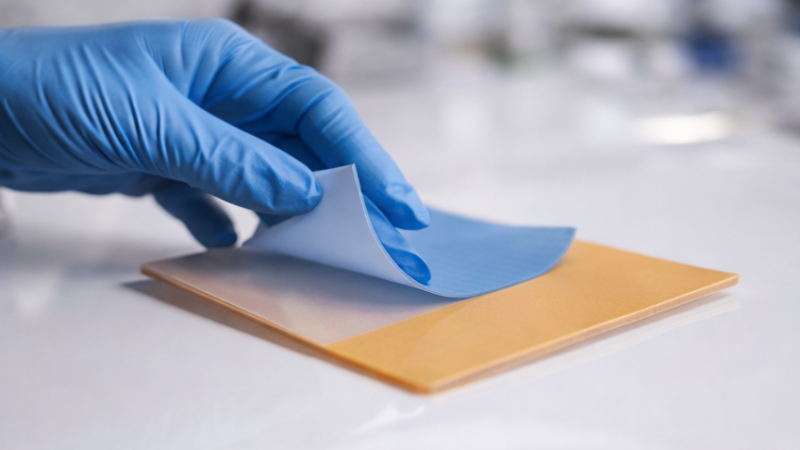
The effectiveness of silicone thermal pads is significantly enhanced by their incorporation of high-conductivity fillers. These fillers, such as graphite, ceramics, or metals, are integrated into the silicone matrix to improve its heat dissipation capabilities. By utilizing these conductive materials, silicone thermal pads can efficiently channel heat away from high-temperature components, preventing potential damage from heat buildup.
● High-conductivity fillers: Fillers like graphite or ceramics are chosen for their ability to conduct heat efficiently while maintaining the flexibility of the silicone matrix. This combination allows for both thermal management and durability.
● Minimized thermal resistance: The design of these thermal pads ensures that the heat transfer is optimized by minimizing the air gaps between surfaces, allowing for better contact and reduced thermal resistance.
This makes silicone thermal pads ideal for environments where space is limited, and efficient heat management is a top priority.
Silicone thermal pads are widely used in various industries where heat transfer is critical. These pads serve multiple roles, especially in high-performance devices that generate significant amounts of heat. Below are some common applications:
Industry | Application | Function |
Electronics | Heat sinks, CPUs, GPUs | Efficient heat transfer to prevent overheating |
Automotive | Electric vehicle batteries, motor controllers | Managing heat in powertrains and battery systems |
LED Lighting | LED systems | Preventing overheating and extending lifespan |
When it comes to heat insulation and heat transfer, silicone thermal pads provide unique advantages over other materials such as foam, fiberglass, and metals. Each material has its own properties that make it suitable for specific applications, but silicone often stands out due to its combination of thermal performance, flexibility, and ease of use.
● Foam: Foam materials typically have low thermal conductivity, but they lack the durability and high-temperature resistance of silicone. Silicone thermal pads, on the other hand, can withstand higher temperatures, making them better suited for high-performance environments where heat needs to be managed efficiently over long periods.
● Fiberglass: Fiberglass is often used for insulation due to its low thermal conductivity and resistance to heat. However, fiberglass can be brittle and lacks the flexibility that silicone provides. Silicone, with its more robust structure, offers better sealing properties and can maintain its performance under mechanical stress or compression.
● Metals: While metals like aluminum have excellent thermal conductivity, they are often too rigid and prone to corrosion in certain environments. Silicone thermal pads, with their lower conductivity, offer a more balanced approach, allowing for controlled heat dissipation while offering insulation, flexibility, and environmental resistance.
Material | Thermal Conductivity | Flexibility | Temperature Range | Suitability for Heat Insulation |
Silicone | 0.2 W/m·K | High | -70°C to +230°C | Excellent for moderate heat insulation and heat dissipation in various applications |
Foam | Low | High | -50°C to +120°C | Suitable for low to moderate heat, but lacks high-temperature resistance |
Fiberglass | Low | Rigid | -50°C to +500°C | High heat resistance but lacks flexibility and compressibility |
Metals | High | Low | -50°C to +600°C | Excellent for rapid heat transfer but lacks insulation properties |
One of silicone's key advantages over other heat-insulating materials is its flexibility. Unlike rigid materials such as fiberglass or metals, silicone can conform to uneven surfaces, ensuring better contact and more efficient heat transfer. This flexibility allows silicone thermal pads to be used in tight or irregular spaces, such as in electronics or automotive applications, where space is often limited.
● Adaptability: Silicone thermal pads can easily fill gaps between surfaces, ensuring that heat is effectively transferred away from critical components.
● Compression resistance: Silicone maintains its shape even under compression, which is essential for applications where pressure or mechanical stress is involved.
This versatility makes silicone thermal pads particularly valuable in industries such as electronics, where heat management solutions need to adapt to varying sizes and forms of components.
While silicone thermal pads are highly effective in many applications, they do have some limitations compared to specialized materials. For instance, silicone may not be the best choice for extreme heat environments or where rapid heat transfer is critical.
● High-temperature limitations: Silicone can typically handle temperatures up to 230°C, but in some cases, this may not be enough for certain high-temperature industrial processes or environments.
● Lower thermal conductivity: Although silicone offers excellent insulation, its thermal conductivity is lower than that of metals like aluminum, which might be preferred in applications where fast heat dissipation is essential, such as in high-performance computing or industrial machinery.
In applications where extreme thermal conductivity or resistance to higher temperatures is required, materials such as graphite thermal pads or metal heat sinks may be more appropriate.
These limitations highlight the importance of choosing the right material based on the specific heat management needs of an application. Silicone thermal pads are best suited for moderate to high-temperature environments, but may not be the optimal choice for every situation.
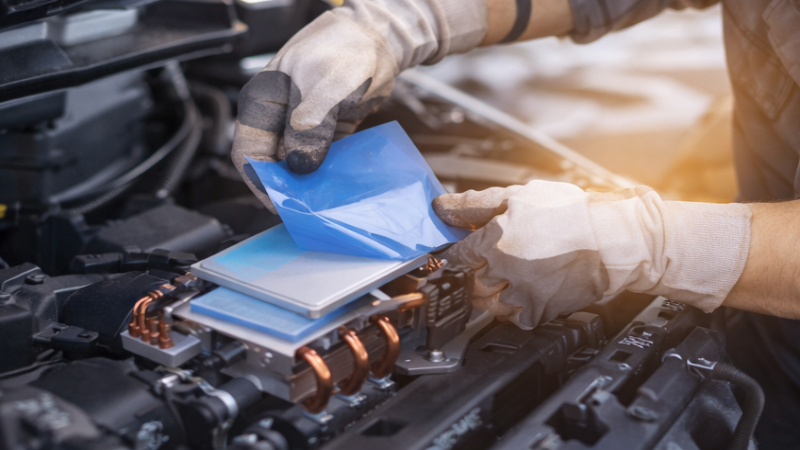
Silicone is renowned for its ability to resist heat, but it has specific temperature limits that determine its effectiveness. These limits define the range within which silicone maintains its properties, making it ideal for various applications. Generally, silicone can withstand temperatures from -70°C to +230°C, with some specialized versions handling temperatures up to +300°C.
Silicone Type | Temperature Range | Application Suitability |
Standard Silicone | -70°C to +230°C | Suitable for most general applications |
High-Temperature Silicone | Up to +300°C | Ideal for more demanding environments (e.g., industrial applications) |
Once silicone exceeds these temperature limits, it starts to lose its flexibility and may become brittle or degrade chemically. For applications involving extreme heat, it's essential to choose a silicone grade that can handle higher temperatures.
External environmental conditions, such as exposure to air, UV radiation, and oxidation, can impact silicone’s heat resistance over time. While silicone is generally durable, prolonged exposure to certain environmental factors can weaken its thermal properties.
● UV Radiation: Extended exposure to UV light can cause silicone to become brittle and reduce its thermal stability. Silicone products that are exposed to the sun or other UV sources should be UV-stabilized to maintain their performance.
● Oxidation: High temperatures combined with oxygen exposure can lead to silicone degradation, weakening its heat resistance and flexibility.
● Air Exposure: While silicone is moisture-resistant, gases and pollutants in the air can affect its properties in certain high-temperature environments, potentially leading to the breakdown of its structure.
These environmental influences are important to consider when using silicone in outdoor or harsh industrial settings. Proper protection, such as coatings or UV-resistant additives, can help prolong silicone’s lifespan and maintain its heat resistance.
The mechanical properties of silicone, including compression, flexibility, and thickness, directly affect its performance in heat-sensitive applications. These factors determine how well silicone adapts to various conditions while maintaining its ability to resist heat.
● Compression: Silicone’s ability to maintain its shape under compression is essential for applications such as seals and gaskets, which are subject to pressure in high-heat environments like automotive engines.
● Flexibility: Silicone’s flexibility allows it to conform to uneven surfaces, ensuring good thermal contact and heat transfer. This makes it particularly useful in electronic devices and heat sinks where space is limited.
● Thickness: The thickness of silicone thermal pads influences their insulation properties. Thicker silicone offers better heat resistance but may reduce the effectiveness of heat dissipation. A balance between thickness and conductivity is required for optimal performance.
Silicone, with its low thermal conductivity, is an effective heat insulator. It plays a key role in heat management, particularly in electronics, automotive, and household appliances. Suzhou Volsun Electronics Technology Co., Ltd. offers silicone thermal pads, which enhance heat dissipation while maintaining flexibility and durability. These pads are ideal for applications requiring both heat resistance and efficient heat transfer.
A: A silicone thermal pad is a material designed to enhance heat dissipation by bridging gaps between heat-generating components and heat sinks. It helps reduce thermal resistance, improving heat transfer in industrial and electronic applications.
A: The performance of a silicone thermal pad is influenced by its thermal conductivity, operating temperature range, and the application environment. Higher conductivity fillers, such as graphite, can improve its heat transfer efficiency.
A: Silicone thermal pads typically have a long lifespan, with minimal degradation under normal operating conditions. However, extreme temperatures or mechanical stress may affect their performance over time.
A: Yes, silicone thermal pads can withstand temperatures up to 300°C, making them suitable for high-performance industrial environments where effective heat dissipation is critical.


